
Investing in a Battery: What Owning a Piece of Clean Energy Infrastructure Actually Means
"Invest in a battery" sounds simple, but it's worth walking through what actually happens between funding a unit and seeing a return — because that mechanism is the entire difference between owning a real energy asset and owning a claim on a fund's aggregate performance.
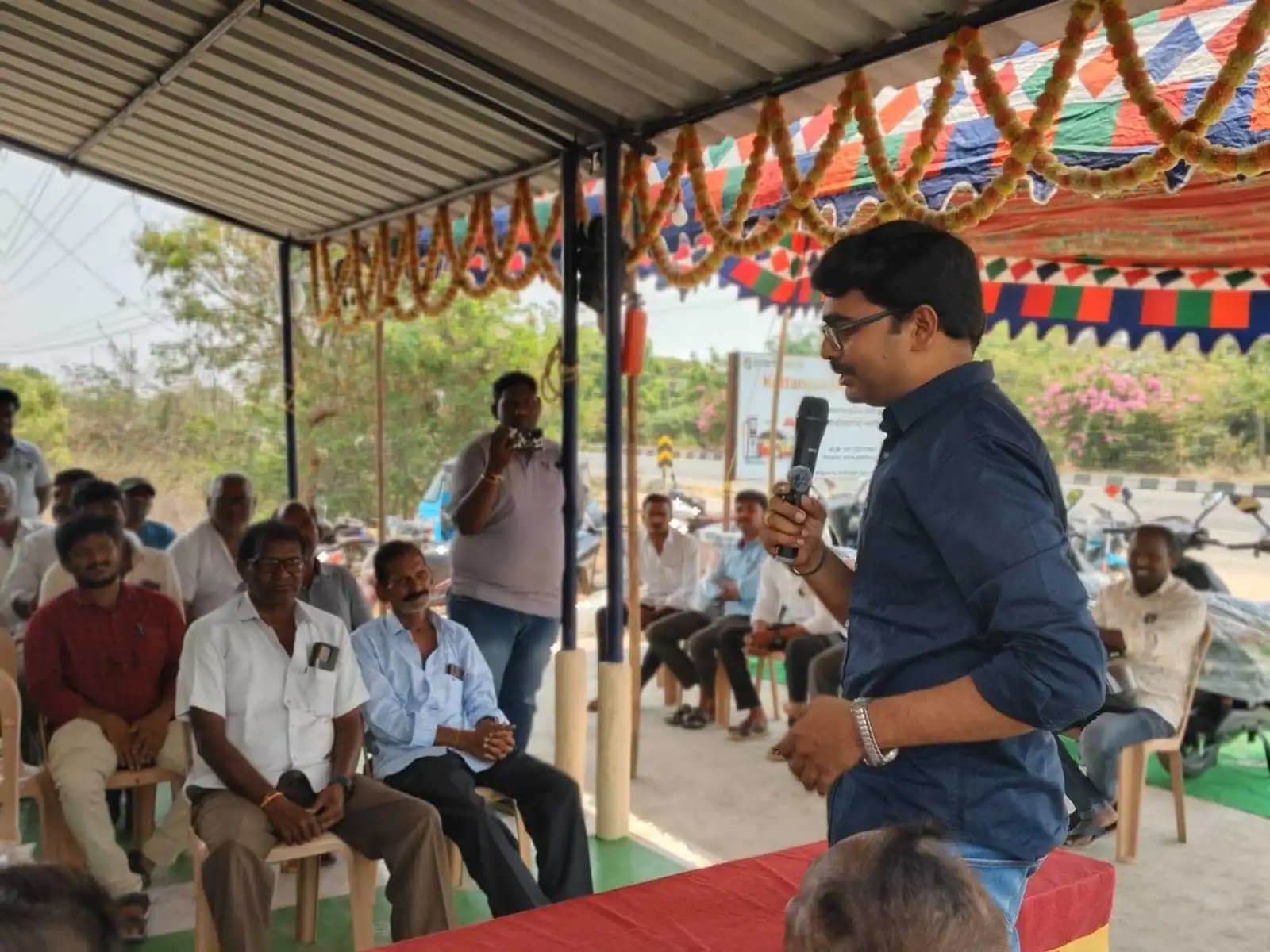
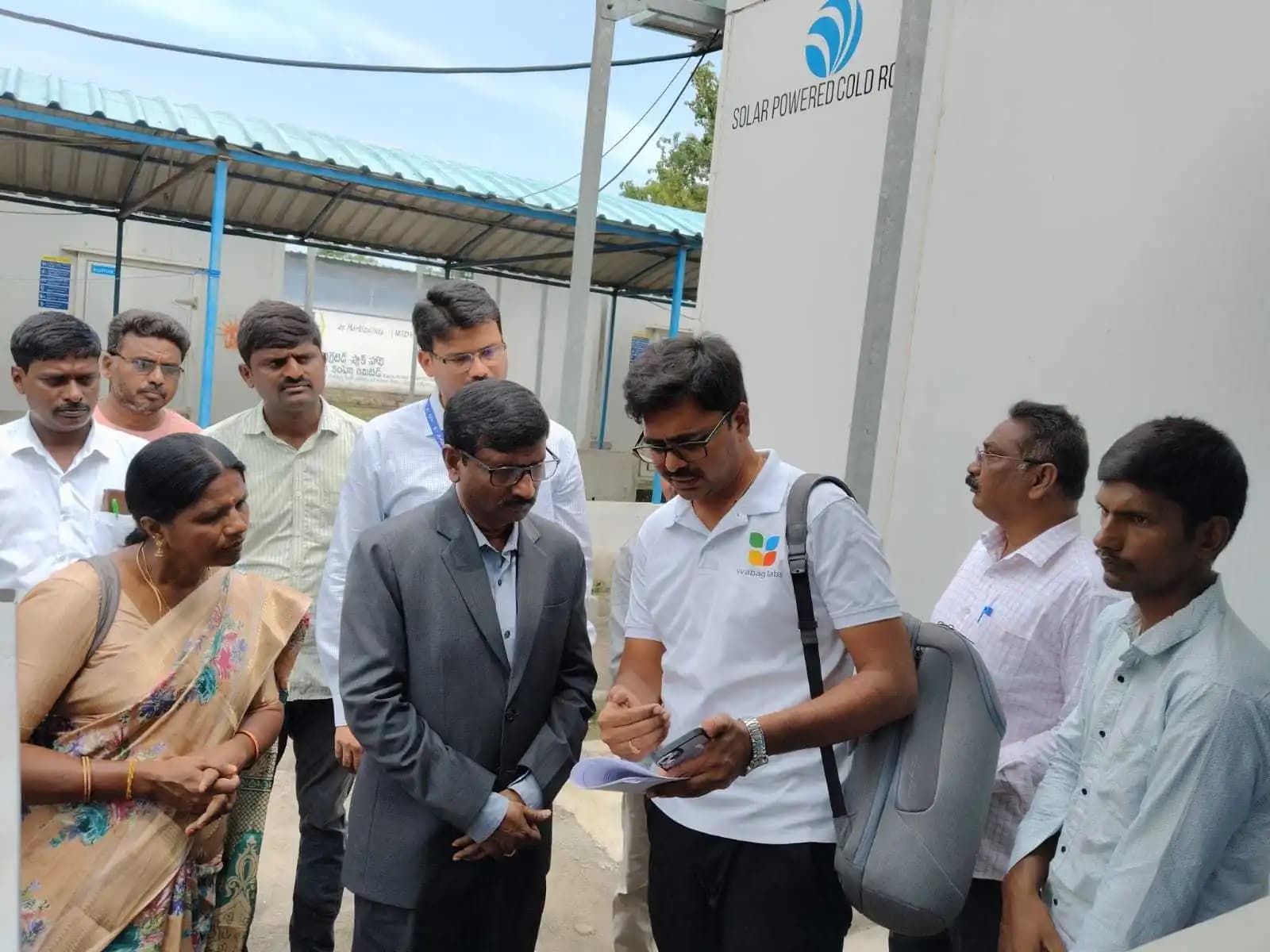
The process starts with funding a specific unit — a battery or solar asset, not a pool of undefined future infrastructure. That unit is then deployed by GreenKWh and its franchise partners into a location chosen for actual charging demand — a swap point or community energy hub where EVs and other users need power regularly enough to make the deployment worthwhile. A solar installation charges the battery locally wherever possible, reducing dependence on grid electricity and keeping the energy genuinely clean at the source rather than just on paper.
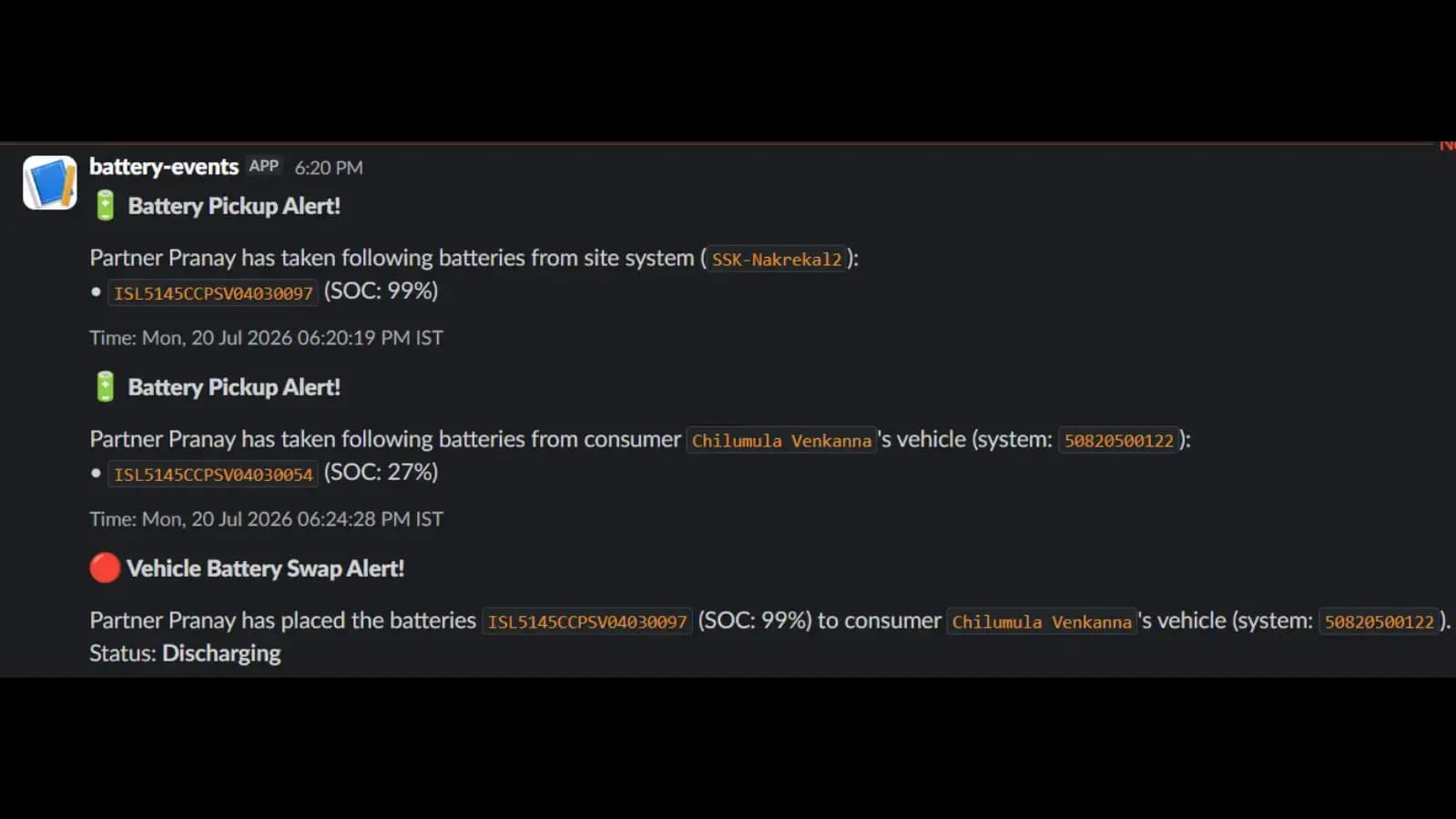
Once deployed, the asset does what a battery in an active swap network does: it charges, gets swapped out to power an EV or a local energy need, comes back to charge again, and repeats that cycle continuously. Every one of those cycles generates revenue, because someone is paying to use the energy that battery is delivering. That revenue is collected through GreenKWh's franchise network, and a share of it flows back to whoever funded the original asset — the recurring-incentive part of the model, and the part that determines whether the investment actually performs.
This is worth being precise about: the return isn't a fixed rate set at the time of funding. It depends on how much that specific asset is actually used — how often it cycles, how reliably it's maintained, how much demand exists at its deployment location, and how efficiently the franchise partner operating it keeps it running. A battery deployed in a high-demand swap corridor with strong uptime will generate more revenue than one in a low-traffic location with frequent downtime. That's a meaningfully different risk profile than a savings product with a guaranteed rate, and it should be evaluated as what it is — an investment in the performance of a specific piece of physical infrastructure, not a fixed-income instrument.
What makes this different from buying shares in a conventional renewable energy fund is traceability. In a typical fund structure, an investor's return is a function of the fund's aggregate portfolio performance, reported periodically, with little visibility into how any individual asset within it is actually doing. In an asset-level model, the unit you funded is identifiable and its performance — deployment status, charging cycles, revenue generated — can in principle be tracked directly, rather than smoothed into a portfolio-wide average that obscures which assets are actually carrying the returns.
The franchise partner layer is doing real operational work that shouldn't be glossed over. Someone has to install the solar charging setup, maintain the battery, manage the swap point, and keep the asset physically running — and the quality of that operator matters as much as the underlying battery hardware. This is infrastructure investing, which means operational execution on the ground is inseparable from the return an investor eventually sees. A battery asset is only as good as the network and the people operating it.
It's also worth thinking about how a single battery investment fits into a broader approach rather than in isolation. Funding one asset means the return is tied entirely to how that one unit performs — its location, its operator, and the demand around it. Funding several smaller units across different swap points and franchise territories spreads that exposure across multiple locations, operators, and demand patterns, the same logic that applies to any form of asset-level investing where individual unit performance can vary. Asset-level ownership makes that kind of deliberate spreading possible in a way a single pooled fund position typically doesn't, precisely because each unit is separately identifiable rather than bundled into one position.
Time horizon matters here too, and it's different from a lot of what people are used to in either traditional investing or crypto. A battery asset doesn't generate meaningful revenue the day it's funded — it has to be deployed, connected into a swap point, and start cycling through actual usage before returns begin accruing, and deployment timelines depend on real-world logistics like site setup and franchise partner capacity. This is closer in spirit to funding a small piece of physical infrastructure than it is to a liquid trade — the return is a function of an asset doing real work over time, not a price that moves on sentiment in the short term. Anyone evaluating this should think in terms of the deployment-to-operation timeline for a specific asset, not an assumption that funding translates to immediate activity.
None of this is intended as financial advice, and returns aren't guaranteed — they depend on real deployment conditions, demand, and operational execution, the same way any infrastructure investment does. What asset-level clean energy investing does offer is a direct line between the capital someone puts in and a specific, physical, energy-producing unit — a battery that's actually charging, actually swapping, and actually reducing dependence on fossil-fuel power somewhere, rather than a number on a statement disconnected from anything real.
More from GreenKWh
 DePIN
DePINWhat Is DePIN? The Infrastructure Model Behind GreenKWh's Battery Network
DePIN gets thrown around as a buzzword. Here's what it actually means for how a battery gets funded, deployed, and paid for — and why that's different from a traditional energy fund.
 Investing
Faster ROI, Real Transparency: Why On-Chain Tracking Changes How Clean Energy Gets Funded
Transparency is usually a marketing word in clean energy investing. Here's what it means operationally when an asset's performance can actually be tracked, not just reported — and how that connects to faster returns, bonus rewards, and measurable climate impact.