
What Is DePIN? The Infrastructure Model Behind GreenKWh's Battery Network
DePIN — Decentralized Physical Infrastructure Networks — is one of those terms that gets used constantly and defined rarely. Strip away the acronym and it describes something fairly concrete: physical infrastructure, like a battery or a solar panel, funded by a distributed group of individual owners instead of a single company's balance sheet, with the revenue that infrastructure generates flowing back to the people who funded it.
Traditional infrastructure funding runs through a small number of large capital allocators — a utility, a fund, a bank — who own the asset, operate it, and keep the revenue it produces, sometimes distributing a fraction of it to shareholders several steps removed from the physical thing generating the value. That model works, but it's slow to scale in places where large capital allocators don't see enough return to bother, and it puts real distance between the people funding an asset and the physical infrastructure actually producing the returns.
DePIN flips the funding side of that equation. Instead of one large investor funding a thousand batteries, a thousand individual participants can each fund a piece of the same network — a single battery, a single solar installation — and each of those pieces is trackable as a distinct, identifiable physical asset. This is where the "real-world asset," or RWA, framing comes from: an investment tied directly to a physical unit of infrastructure that exists, gets deployed, and generates measurable output, not an abstract share in a company's aggregate performance.
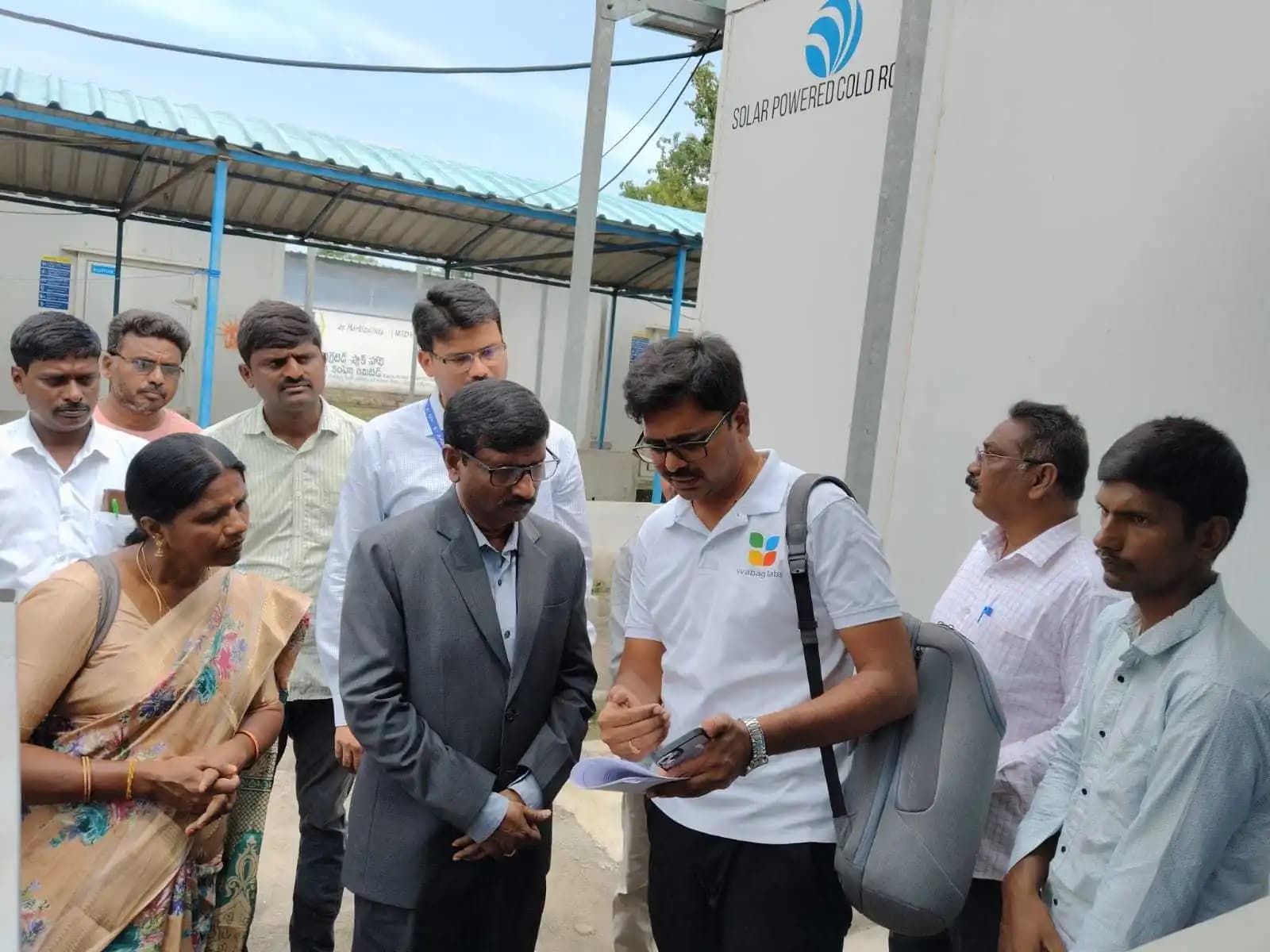
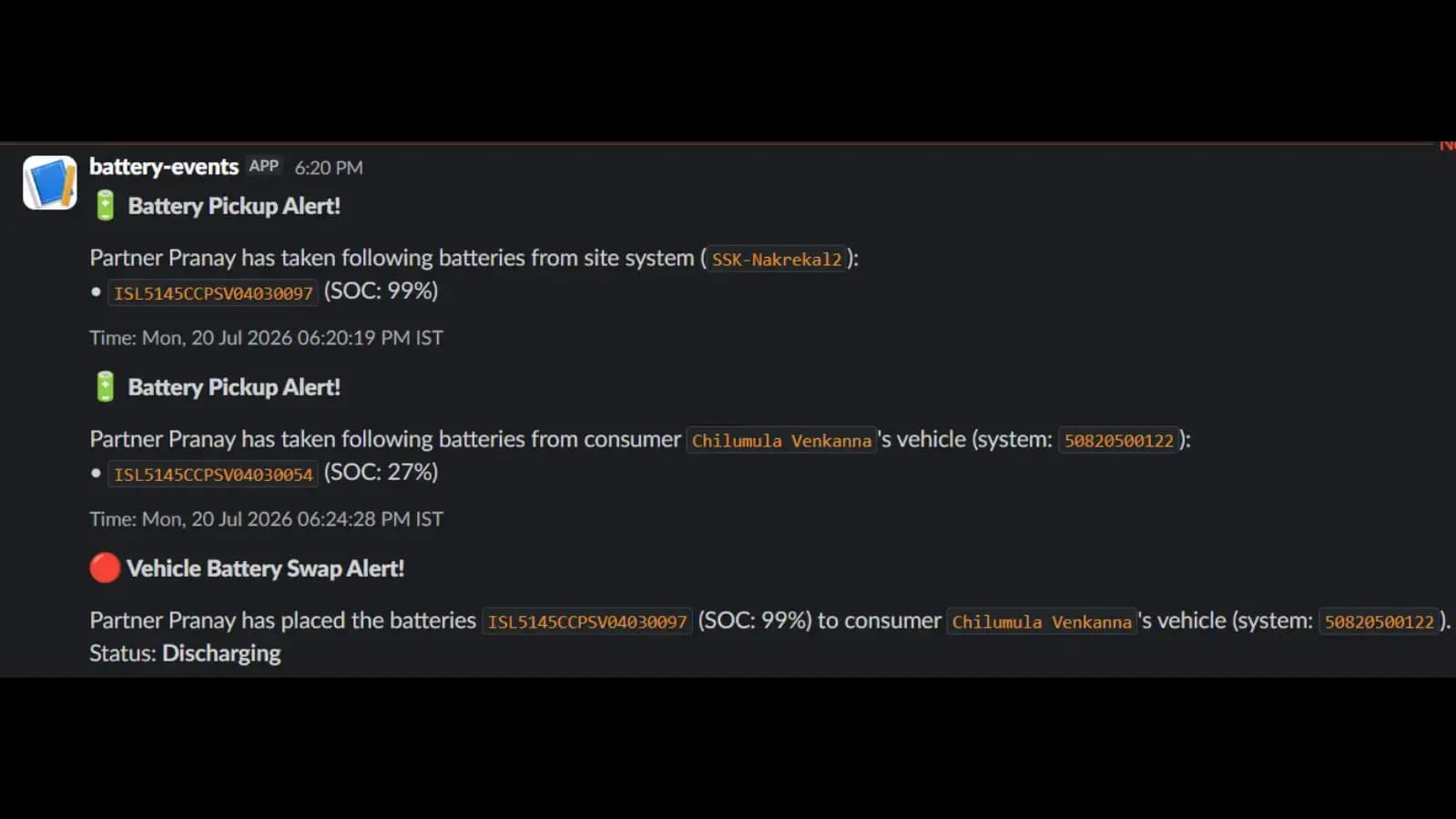
This is the model underneath GreenKWh's battery network. An individual battery or solar unit is funded, deployed in a location chosen for real charging demand, and connected into a local franchise partner's operations for installation, uptime, and maintenance. Once deployed, that unit generates revenue the way any piece of energy infrastructure does — by charging, discharging, and moving through a swap network that pays for the energy it delivers. The difference from a conventional model is that the revenue tied to that specific unit can be tracked and distributed back to whoever funded it, rather than pooled anonymously into a fund where an individual asset's actual performance is invisible.
The physical-infrastructure part of DePIN matters as much as the decentralized-funding part. A lot of what gets labeled DePIN in Web3 is closer to speculative token issuance loosely tied to a stated real-world use case that hasn't actually been built yet. The model only holds up if the physical assets are real, get deployed, and generate genuine, measurable revenue independent of whatever a token is trading at — because the return an owner sees is supposed to come from a battery actually charging and swapping in the field, not from secondary market speculation. That's the bar a DePIN energy network has to clear to mean anything: infrastructure that exists and performs, with the funding structure just determining who benefits from that performance.
For clean energy specifically, this addresses a real bottleneck. Battery networks and solar deployment require a lot of small, distributed capital outlays across many locations — exactly the kind of funding gap that's hard for large centralized investors to fill efficiently, because the per-unit deployment is too small to be worth their attention individually, even though the aggregate opportunity across thousands of units is significant. Distributed, per-asset funding closes that gap by making it viable for many smaller participants to each fund one piece of a network that, in aggregate, adds up to real infrastructure at scale.
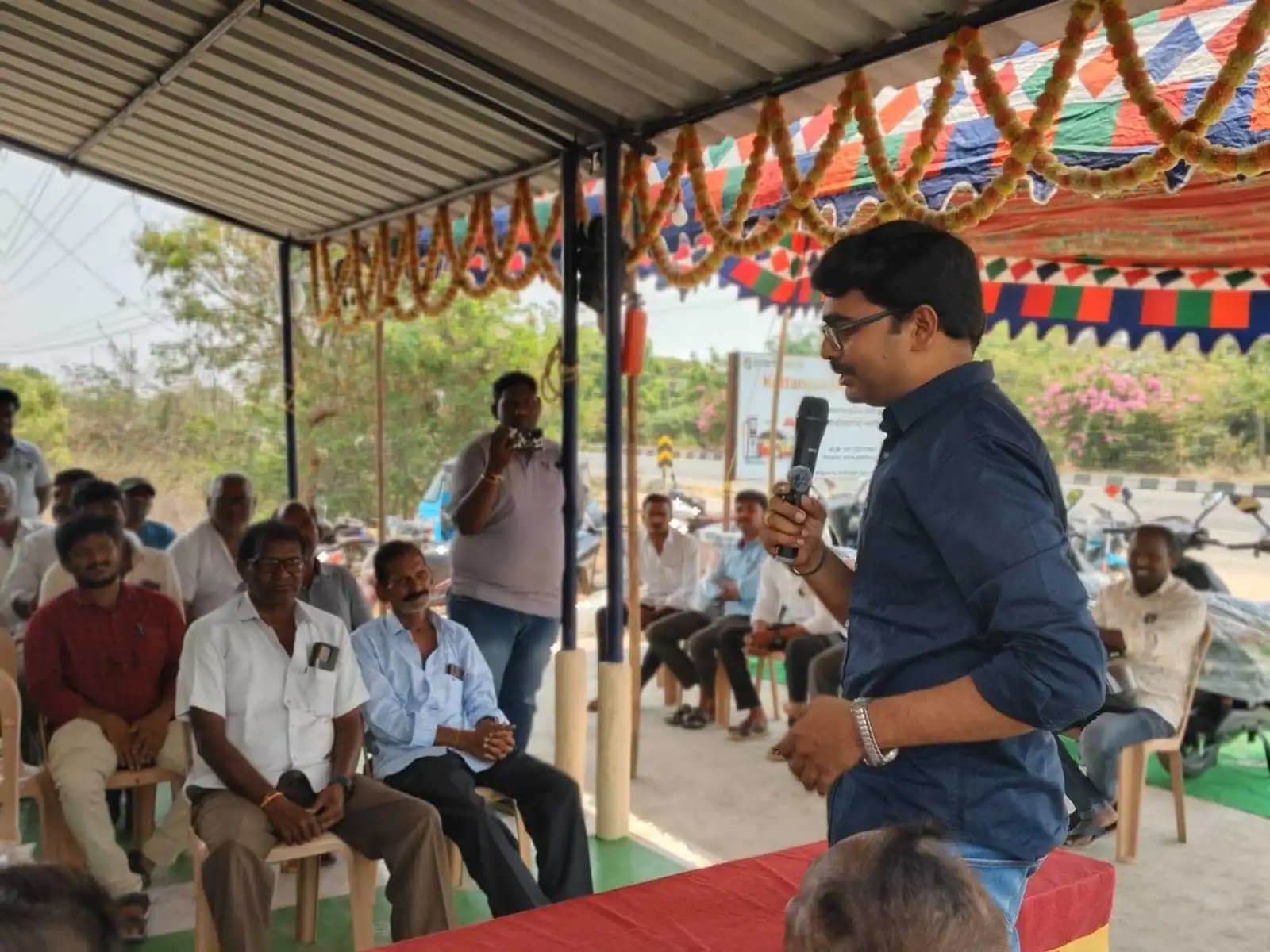
The franchise partner structure is what actually makes distributed asset ownership operationally workable rather than a nice idea on paper. Someone funding a single battery from a distance can't personally site it, install it, keep it charged, or repair it if something goes wrong — that requires a local operator with the equipment, staffing, and market knowledge to run physical infrastructure on the ground. GreenKWh's franchise network exists specifically to close that gap: local partners handle deployment, day-to-day operation, and maintenance, while the funding and the return stay tied to the individual asset. Without that layer, distributed funding would just be capital sitting on a balance sheet with no path to becoming a working battery in the field.
It's also worth distinguishing this from the broader category of tokenized assets that get lumped into the same conversation. A token representing a claim on a real battery that's deployed, charging, and generating tracked revenue is a fundamentally different instrument than a token whose value depends entirely on market sentiment about a project's future plans. The former has a cash-flow-generating physical asset underneath it that can be inspected, maintained, and valued on its own operating performance. The latter doesn't, no matter how the pitch is worded. Evaluating a DePIN energy project means asking whether the physical infrastructure it claims to fund actually exists and actually produces revenue — not whether the narrative around it sounds compelling.
None of this means every DePIN energy project is a sound investment — the model is only as good as the physical assets and operational discipline behind it, and returns depend on real-world factors like deployment location, demand, and uptime, not a guaranteed rate baked into the structure. What DePIN offers is a funding mechanism that keeps the connection between capital and the physical asset it funds direct and trackable, instead of buried several layers deep in a traditional infrastructure fund. That transparency is the actual innovation — not the acronym.
More from GreenKWh
 Real-World Assets
Investing in a Battery: What Owning a Piece of Clean Energy Infrastructure Actually Means
GreenKWh lets you invest in a specific battery or solar asset, not a fund. Here's what happens between funding a unit and seeing a return — and what determines whether it performs.
 Investing
Faster ROI, Real Transparency: Why On-Chain Tracking Changes How Clean Energy Gets Funded
Transparency is usually a marketing word in clean energy investing. Here's what it means operationally when an asset's performance can actually be tracked, not just reported — and how that connects to faster returns, bonus rewards, and measurable climate impact.